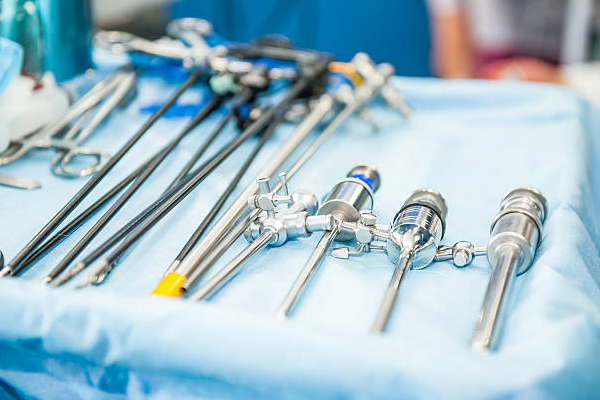
Anaesthesia & Critical Care
Anaesthesia is a medical practice that uses drugs or techniques to prevent pain and discomfort during surgery or medical procedures. It allows procedures to be performed safely and without distress to the patient.
Anaesthesia & Critical Care
Types of Anaesthesia:
1. General Anaesthesia:
- Patient becomes completely unconscious.
- Used for major surgeries.
- Delivered through inhaled gases or intravenous (IV) drugs.
2. Regional Anaesthesia:
- Blocks pain in a larger area of the body (e.g., spinal, epidural, or nerve block).
- Patient remains awake but numb in the targeted region.
3. Local Anaesthesia:
- Numbs only a small, specific area.
- Used for minor procedures (e.g., dental work, skin surgery).
4. Sedation (Conscious Sedation / Twilight Anaesthesia):
- Patient is relaxed and drowsy, but not fully unconscious.
- Often combined with local anaesthesia.
Key Roles of an Anaesthesiologist:
- Assess patient’s health before surgery.
- Decide the safest anaesthesia method.
- Monitor vital signs (heart rate, blood pressure, oxygen) during the procedure.
- Manage pain after surgery.
Risks & Safety:
- Common mild side effects: nausea, sore throat, dizziness, shivering.
- Rare but serious risks: allergic reaction, breathing issues, heart complications.
- Safety is very high today due to advanced drugs and monitoring equipment.
Anaesthesia List:
- Fasciotomy
In short: Anaesthesia is essential for modern surgery, providing comfort, pain control, and safety during medical procedures.